R
repairmybadangles
member
I had a repair surgery with Dr. Mwamba 3 months ago. The surgery was mainly to extract and replace hundreds and hundreds of bad angles. I'm already quite confident I am going to have a great result, and have already noticed new baby hairs sprouting slowly but surely since the 2 month mark
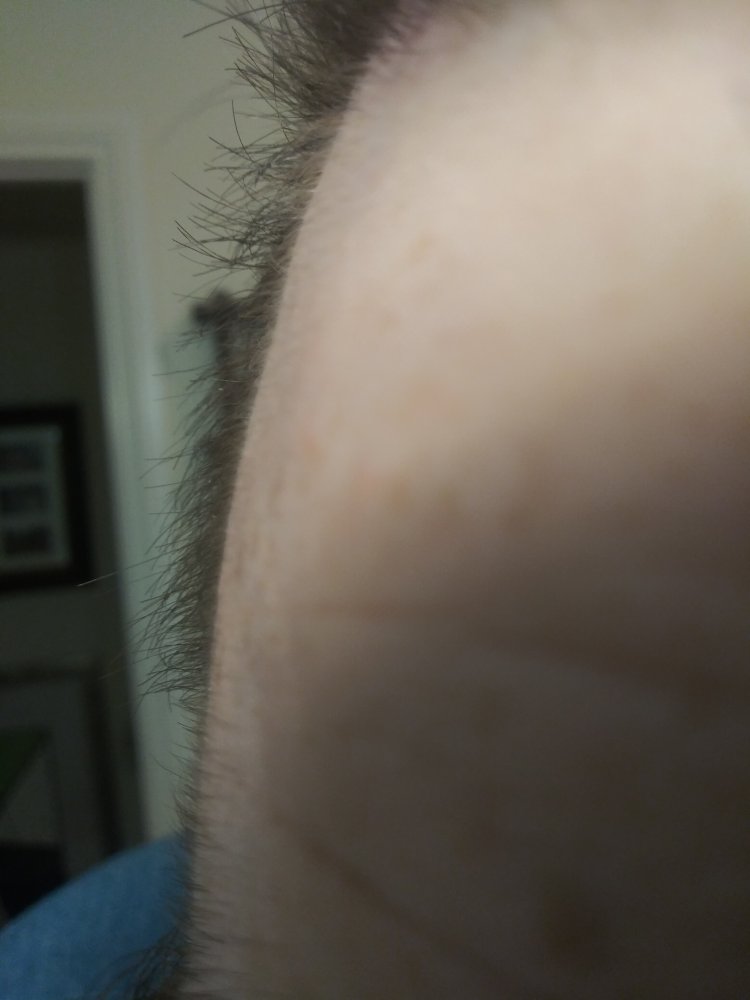
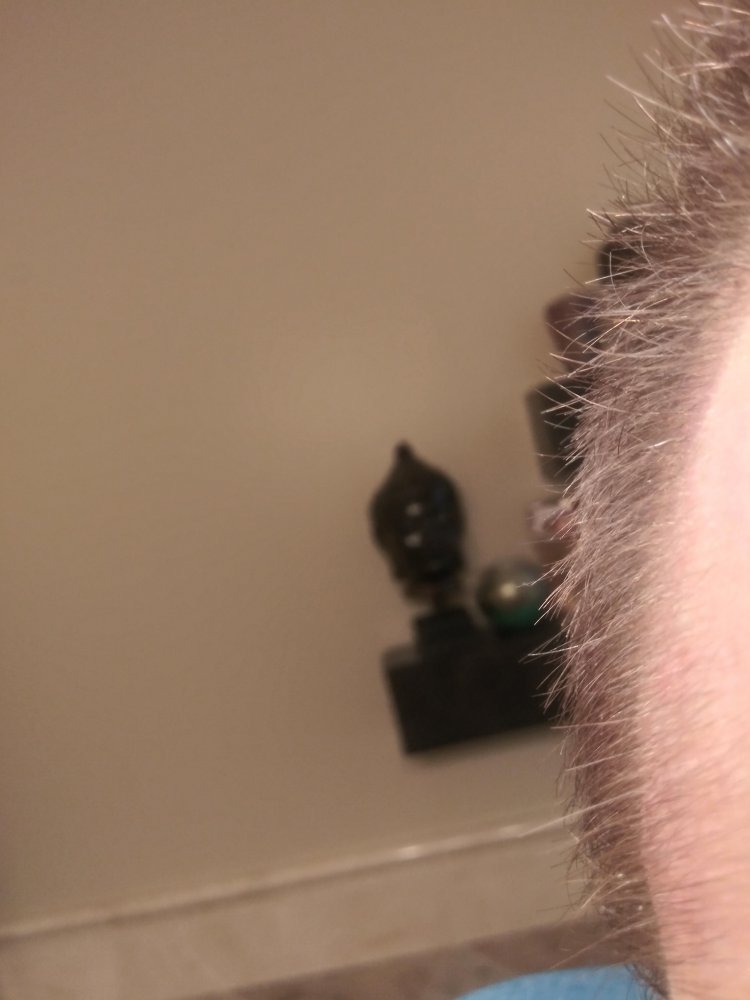
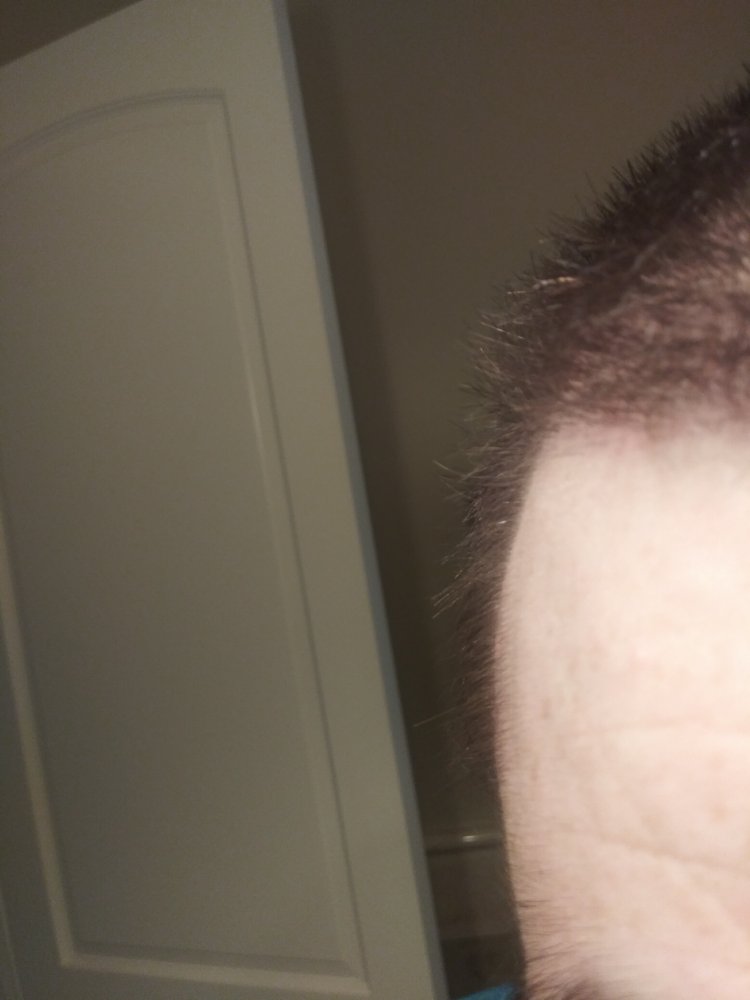
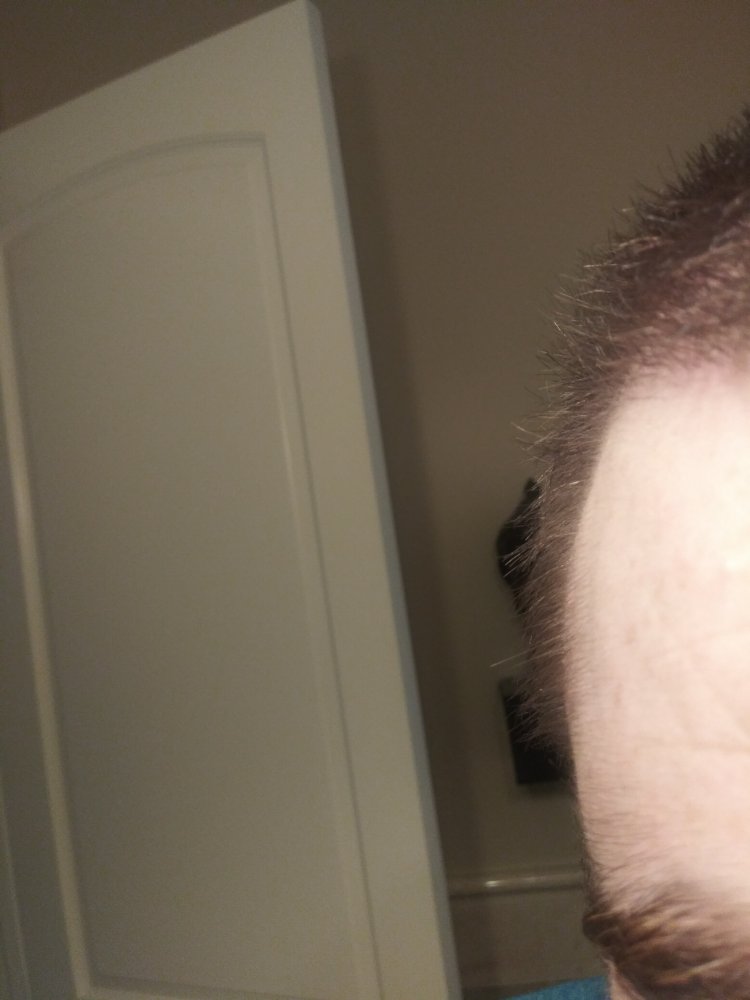
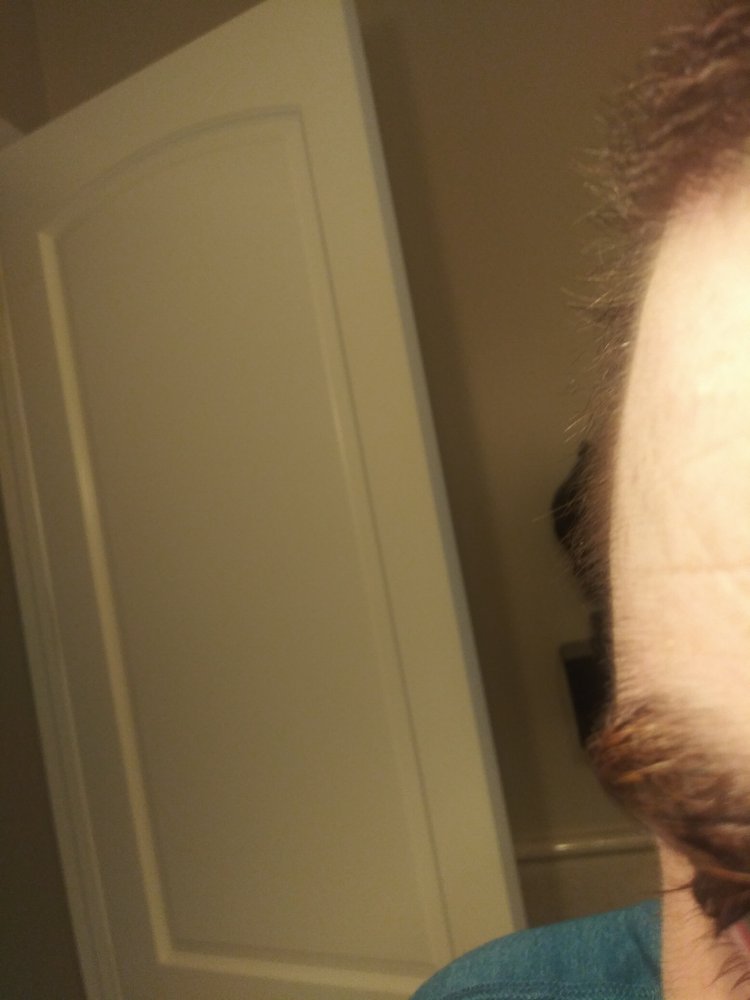
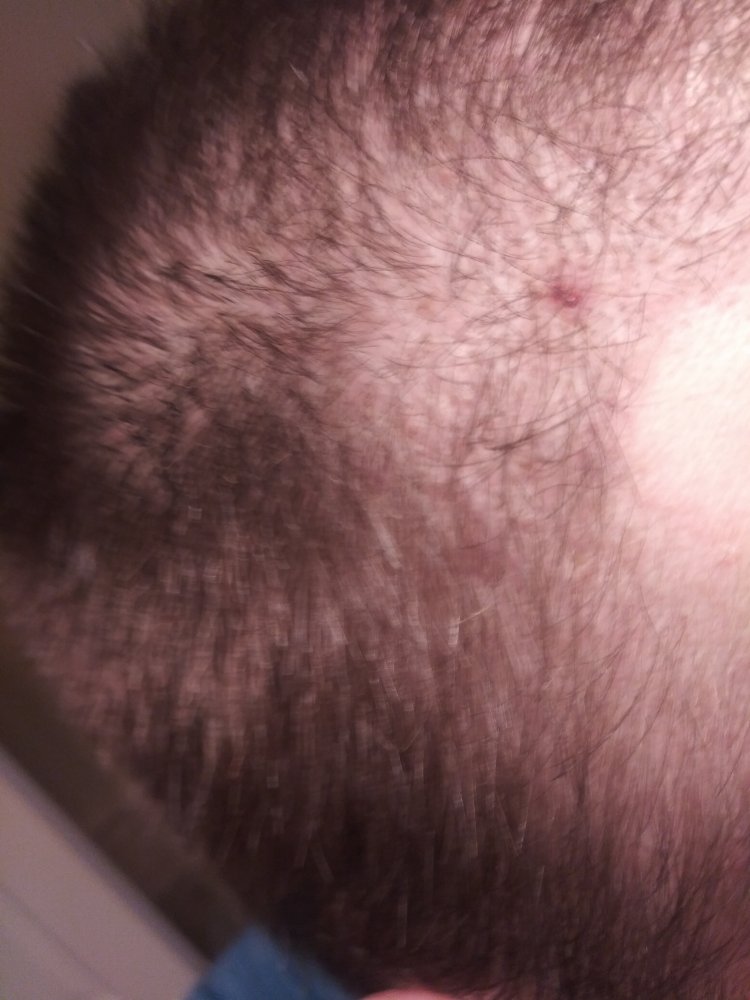
However....a few weeks after surgery I noticed I still have a few badly angled hairs remaining in both my right temple and right temple point - liberally I believe at most there are 100 bad grafts. Visually to the naked eye I can only spot 50 or less bad offenders.
Of course there is the possibility I guess that all the new correctly angled hairs will camouflage or maybe weigh down the badly angled hair, but I am pretty skeptical about this.
Since the badly angled hairs are so few in quantity, and this will hypothetically be my only pain point remaining, and per Mwamba I still have 1-2k donor in reserve, if camouflage does not work I feel electrolysis is my best option. 1) I can totally afford to kill off 50 grafts 2) Aesthetically, I am banking on my density in these areas to be good enough that the removal of these grafts won't make any difference in the illusion/visual appearance.
Questions:
1) Obviously, there are a very limited number of good hair transplant docs in the world and it is often required to travel far and wide for hair transplant surgery. I am wondering if the same holds true for electrolysis? Is scalp hair electrolysis difficult enough that only a few places can do it well?
Or is scalp hair electrolysis not that challenging, and your average run of the mill electrologist should have no difficulty?
In other words, how challenging of a procedure is temple electrolysis of the temples/temple region - where the electrologist is likely removing a handful of single hairs in areas that have density of 60-80cm?
2) Is anyone in the Denver Colorado metro area and can recommend any doctors or electrologists I can do some consults with?
3) Is it normal for dermatologists or trichologists to do electrolysis? Would that be better than seeing an electrologist?
4) Is there any damage at all to neighboring hair from electrolysis? Or literally the only hair affected is the one being zapped?
I do want to have faith in my current hair transplant, and do not plan on doing electrolysis until I am at least 10 months post op. But I just want to stay ahead of the game and start exploring this avenue now in case is it needed.
TLDR: Can you trust a local electrolysis place to do very specific and minute temple and temple point removal?
Or, for my situation, is electrolysis similar to hair transplants in that only a very limited # of places in the world can do it correctly?
I'm hoping its not necessary to go through the hoops to see Dr. Cooley or Dr. Mwamba again just to kill of 50 hairs or less.
***note that all pics were taken today at the 3 month mark. If camouflage fails, I will be waiting until the 10 month mark or later to do electrolysis. By that time, the areas in the pics will be much much denser with Mwamba's correctly placed grafts. One of my (perhaps unfounded) concerns is whether your average electrologist will be able to identify and zap the badly angled grafts if she is working amongst a dense area.

However....a few weeks after surgery I noticed I still have a few badly angled hairs remaining in both my right temple and right temple point - liberally I believe at most there are 100 bad grafts. Visually to the naked eye I can only spot 50 or less bad offenders.
Of course there is the possibility I guess that all the new correctly angled hairs will camouflage or maybe weigh down the badly angled hair, but I am pretty skeptical about this.
Since the badly angled hairs are so few in quantity, and this will hypothetically be my only pain point remaining, and per Mwamba I still have 1-2k donor in reserve, if camouflage does not work I feel electrolysis is my best option. 1) I can totally afford to kill off 50 grafts 2) Aesthetically, I am banking on my density in these areas to be good enough that the removal of these grafts won't make any difference in the illusion/visual appearance.
Questions:
1) Obviously, there are a very limited number of good hair transplant docs in the world and it is often required to travel far and wide for hair transplant surgery. I am wondering if the same holds true for electrolysis? Is scalp hair electrolysis difficult enough that only a few places can do it well?
Or is scalp hair electrolysis not that challenging, and your average run of the mill electrologist should have no difficulty?
In other words, how challenging of a procedure is temple electrolysis of the temples/temple region - where the electrologist is likely removing a handful of single hairs in areas that have density of 60-80cm?
2) Is anyone in the Denver Colorado metro area and can recommend any doctors or electrologists I can do some consults with?
3) Is it normal for dermatologists or trichologists to do electrolysis? Would that be better than seeing an electrologist?
4) Is there any damage at all to neighboring hair from electrolysis? Or literally the only hair affected is the one being zapped?
I do want to have faith in my current hair transplant, and do not plan on doing electrolysis until I am at least 10 months post op. But I just want to stay ahead of the game and start exploring this avenue now in case is it needed.
TLDR: Can you trust a local electrolysis place to do very specific and minute temple and temple point removal?
Or, for my situation, is electrolysis similar to hair transplants in that only a very limited # of places in the world can do it correctly?
I'm hoping its not necessary to go through the hoops to see Dr. Cooley or Dr. Mwamba again just to kill of 50 hairs or less.
***note that all pics were taken today at the 3 month mark. If camouflage fails, I will be waiting until the 10 month mark or later to do electrolysis. By that time, the areas in the pics will be much much denser with Mwamba's correctly placed grafts. One of my (perhaps unfounded) concerns is whether your average electrologist will be able to identify and zap the badly angled grafts if she is working amongst a dense area.